In this seminar, you will gain an understanding of the complexities in providing fire-safe Specialist Disability Accommodation and Supported Independent Living housing. It will discuss an organisation’s liabilities and offer solutions to improve survivability in an emergency.
The session will be delivered by Bruce Bromley, a specialist who consults on delivering Specialist Disability Accommodation; he is a co-author of the SDA Design Standards and is an expert in emergency evacuation planning for people with disability.
They say a week is a long time in politics, well with SDA the same sentiments apply.
Following on from our post of last week based on an update received for SDA Assessors, we have received further advice as follows.
PART 2: Critical Update for Apartments OOA
The NDIA has received feedback on the recent email to SDA Assessors on the correction to the Assessor Update #4 issued 11 November 2022 relating to the use of a studio style apartment as OOA.
The NDIA, as noted previously, made a base assumption that as the costing for an OOA apartment equated to an apartment of similar type and category as SDA apartments being enrolled, then this is was what would be constructed. We note also the references to a SDA dwelling substantively having a kitchen, a bathroom, a living/dining area, an entrance/exit and at least one bedroom and the absence of a studio design category, which permits the combination of the bedroom, kitchen and living/dining areas within the one room.
Whilst this is still the NDIA’s strong expectation, enrolments will be considered where an OOA apartment is identified. The Assessor Update will soon be/has been amended to clarify the NDIS’ expectation of appropriately sized OOA without the additive restrictions that were included in the 11 November 2022 update.
As part of the continued development of the SDA market, the NDIA will consider the matter of the size and pricing of OOA in the SDA Pricing Review that is currently underway. Additionally, a change to the documentation required to accompany SDA Assessors reports where there is also a claim/intended claim for the OOA allowance, will commence from 1 January 2023. This change will be a requirement that a snapshot of the plans of the OOA apartment be included in the Design Stage and Final as Built reports submitted to the NDIA.
Please note the Access Institute, Joe Manton and Farah Madon continue to support the development of SDA however are not the authority in relation to the Assessor Updates, this is the responsibility of the NDIA.
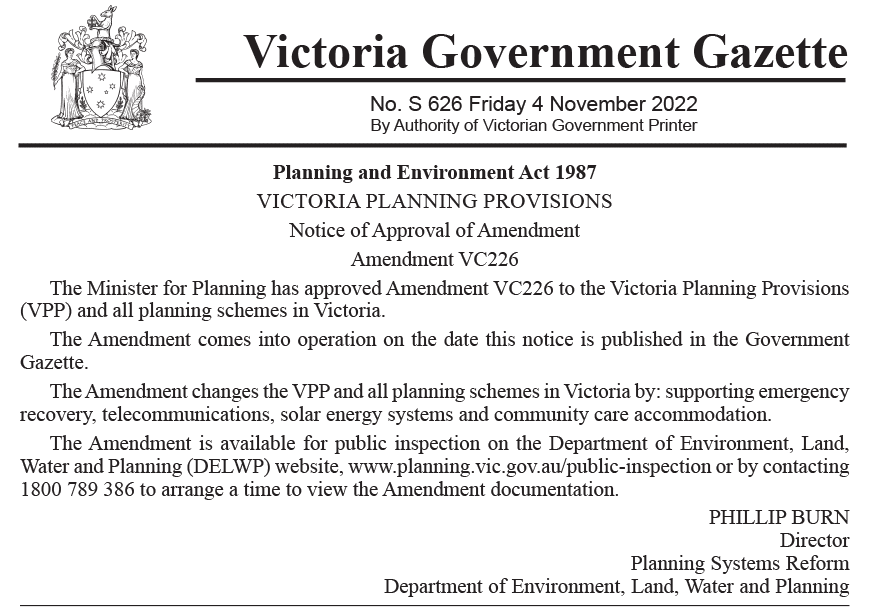
Last week, multiple sources shared with us, changes to the Victorian town planning legislation relating to Special Disability Accommodation and how they are assessed under the planning provisions as Community Care Accommodation.
The following outlines the changes.
COMMUNITY CARE ACCOMMODATION Purpose
To facilitate the establishment of community care accommodation.
To support the confidentiality of community care accommodation
Application
This clause applies to the use and development of land for community care accommodation
Use exemption
Any requirement in the Activity Centre Zone, Capital City Zone, Commercial 1 Zone, General Residential Zone, Low Density Residential Zone, Mixed Use Zone, Neighbourhood Residential Zone, Residential Growth Zone, Rural Living Zone or Township Zone to obtain a permit to use land for community care accommodation does not apply if all of the following requirements are met:
Any condition opposite the use ‘community care accommodation’ in the table of uses in the zone or schedule to the zone is met.
The use is:
funded by, or carried out by or on behalf of, a government department or public authority, including a public authority established for a public purpose under a Commonwealth Act; or
funded by, or carried out by, a registered National Disability Insurance Scheme (NDIS) providerif the design of the building is certified to the NDIS Specialist Disability Accommodation Design Standard by an accredited third party NDIS Specialist Disability Accommodation assessor.
No more than 20 clients are accommodated. This does not include staff.
No more than 5 persons at any one time who are not accommodated on the land may access support services provided on the land.
Buildings and works exemption
Any requirement in the General Residential Zone, Low Density Residential Zone, Mixed Use Zone, Neighbourhood Residential Zone, Residential Growth Zone, Rural Living Zone or Township Zone to obtain a permit to construct a building or construct or carry out works for community care accommodation does not apply if all of the following requirements are met:
The development is funded by, or carried out by or on behalf of, a government department or public authority, including a public authority established for a public purpose under a Commonwealth Act.
If the development is in the General Residential Zone or Neighbourhood Residential Zone, a garden area is provided in accordance with the minimum garden area requirement specified in the zone.
If the development is in the General Residential Zone, Mixed Use Zone, Neighbourhood Residential Zone, Residential Growth Zone or Township Zone, standards B6, B17, B18, B19, B20, B21 and B22 of Clause 55 are met.
Exemption from notice and review
An application under any provision of this planning scheme to use land or construct a building or construct or carry out works for community care accommodation is exempt from the notice requirements of section 52(1)(a), (b) and (d), the decision requirements of section 64(1), (2) and (3) and the review rights of section 82(1) of the Act if the application is made by or on behalf of a government department or public authority, including a public authority established for a public purpose under a Commonwealth Act
Our Commentary
Whilst on the first read, these looked like a positive change and something we have been arguing for over two years, especially when Statutory Building Surveyors apply a class 3(7) BCA classification to developments; upon further study, it led to disappointment.
From our perspective, it appears to be a rushed and not well-thought-out change designed only to favour SDA providers that are property owners.
Why SDA providers get special treatment with this legislation, and all other developers of SDA do not, raises many questions. Non-registered developers still have to go through a full town planning process, adding approximately 12 months to a project’s delivery timeframe. Registered providers delivering SDA by default obtain a financial advantage considering holding costs, associated application fees from councils, and professional fees from architects and town planners to prepare such planning applications and appeals. Projects could also be further delayed should they end up at VCAT.
Don’t get me wrong, this change for providers is brilliant and will help them fast-track the delivery of SDA, I just question why it does not apply to all SDA developments when there is such a demand.
The Federal government’s desire to get people with extreme functional impairment and/or very high support needs into SDA is to be admired especially the goal to get young people out of residential aged care; however, such a state-based move seems not to support that goal that keeps the planning barriers in place for most developers. One must ask why?
Not a level playing field
It is the opinion of this office all SDA developments should qualify for this concession by creating a level playing field across the board.
Certification
Additionally, as highlighted above, the following condition has been included further illustrates the legislation was not well thought out and rushed.
“funded by, or carried out by, a registered National Disability Insurance Scheme (NDIS) provider if the design of the building is certified to the NDIS Specialist Disability Accommodation Design Standard by an accredited third party NDIS Specialist Disability Accommodation assessor.”
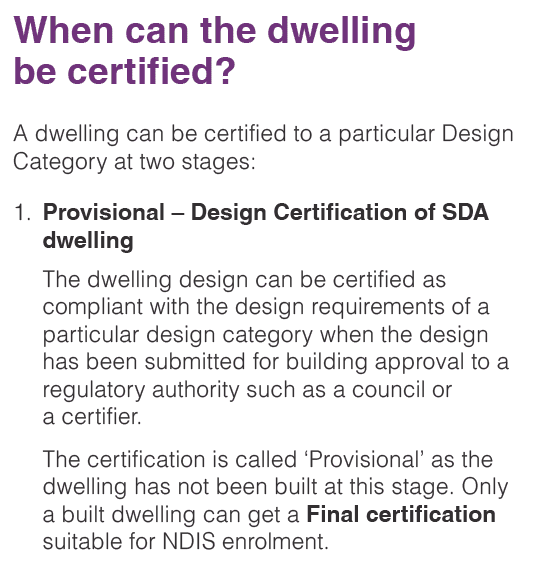
It is not possible to Certify Specialist Disability Accommodation designs at the town planning stage. Provisional Certification can only occur as detailed within the SDA Design Standards
On this basis, unless building approval documents are prepared at the town planning stage and certified by an accredited third-party NDIS Specialist Disability Accommodation assessor, this requirement cannot be met and this planning concession cannot be applied and we expect this to be amended
Specialist Disability Accommodation (SDA) was implemented by the National Disability Insurance Agency (NDIA) to assist with housing for people with a disability. SDA is split into four design categories that cater to participants under the National Disability Insurance Scheme (NDIS) and includes Improved Liveability (IL), Robust (RO), Fully Accessible (FA) and High Physical Support (HPS).
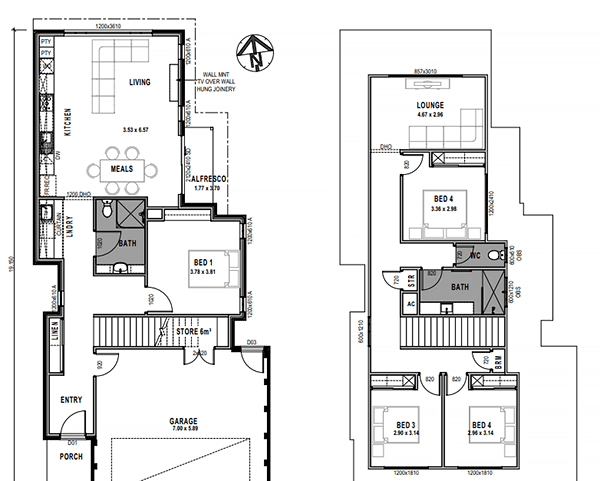
As SDA Accredited Assessors, we come across many floorplans daily with multiple design categories of SDA in one dwelling. Such as, a bedroom or two for a Fully Accessible/ High Physical Support or a Robust category is proposed on the Ground Floor with an Improved Liveability category bedroom/s on the First Floor. Now the question is, why cannot we have IL room on the first floor when access via steps or stairway is allowed under the IL category.
The following floor plans are shown as an example for clarification where Bedroom 1 is designed for Robust* category on the Ground Floor (the same will apply if this bedroom was HPS or FA) and Bedroom 2, 3 & 4 for Improved Liveability on the first floor:
*SDA Consulting strongly recommends against the provision of Robust SDA within a dwelling that includes stairs due to safety risks for the staff and participants.
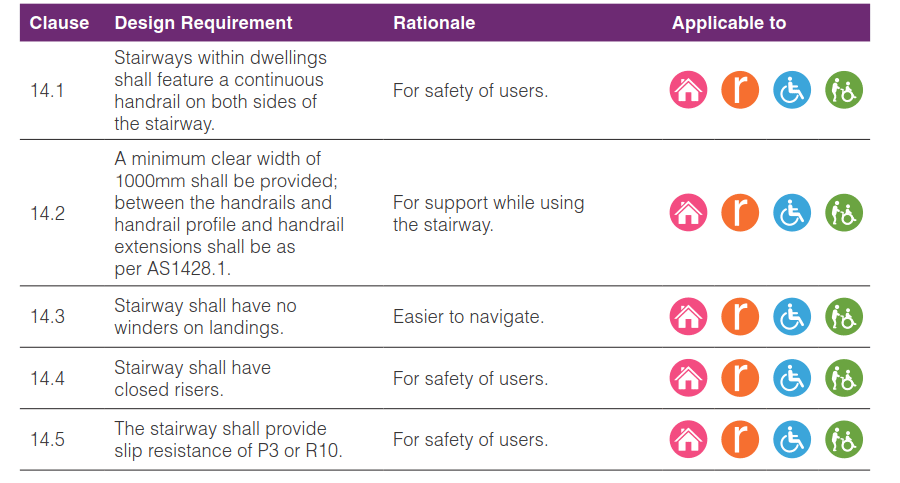
14. Internal stairways
Summary
In summary, A lift must be provided if there is more than one storey within the proposed house or a villa that includes Fully Accessible, High Physical Support or Robust categories.
Clarifications to having different design categories in the same dwelling
Clause 14 of SDA Design Standards allows an internal stairway for an Improved Liveability category. Suppose any other category is added to that house or villa. In that case, a lift becomes mandatory as all areas of the house need to be accessible for all participants, including Robust participants. This will also apply to High Physical Support and Fully Accessible categories. The non-provision of a passenger lift to the first floor restricts access for such participants in their own houses.
Clause 14 from SDA Design standards-
“It is assumed that access will be available to all internal areas of the Robust, Fully Accessible and High Physical support design category dwellings either by provision of all facilities on the entry level or by means of lifts. It is considered to be reasonable to provide bedrooms for Improved Liveability design category on a level that has access only via steps. In addition to the lifts, any stairways provided in the dwellings are required to comply with the requirements of Clause 14.”
In December 2021, an update to Accredited SDA Assessor as Update 4 was released and has provided Clarification under Item 21 which states-
In the case of Robust, Fully Accessible and High Physical Support, the dwelling can provide an internal stairway as long as lift access is also provided to the level accessed by the stairway. These internal stairways within a dwelling are required to comply with Clause 16.1 and the lift is required to comply with the National Construction Code (NCC).
Question: Can we have a room for a robust, fully accessible or a high physical support on the ground floor and a room/s for improved liveability design category?
Answer: No, where a FA, Ro or a HPS design category room proposed within the same dwelling, access must be provided to all areas of their house that includes the First Floor.
Question: Can you provide a robust, fully accessible, high physical support or an improved liveability design category in a same dwelling on the Ground Floor?
Answer: No, as Robust has specific requirements that will not meet HPS & FA categories. One example is tapwate where accessile tapware is not Robust.
Question: Can you have multiple design categories on the entry level and a common leisure area on the first floor without a lift?
Answer: No, access must be provided to all areas of the dwelling which would require a provision of a passenger lift in this case.
Question: What if there is one IL and one HPS on the single storey dwelling, do we need 950mm clear door opening for IL category room?
Answer: Yes, you would need 950mm clear door opening to at least the bedroom door of IL category room.
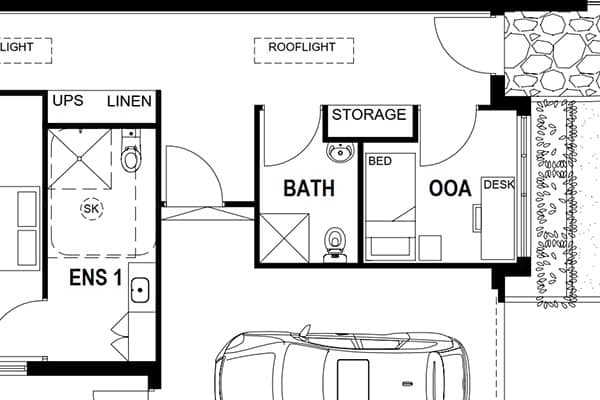
An issue that regularly comes up when doing assessments of Specialist Disability Accommodation is the location of the OOA or Onsite Overnight Assistance area for Fully Accessible and High Physical Support participants.
The NDIS Specialist Disability Accommodation Design Standard is silent on any provisions for OOA. In fact, neither the SDA Design Standard nor the Pricing Arrangements for Specialist Disability Accommodation provide any guidance on where OOA shall be located or what shall be provided within the space.
In December 2021, the Accredited SDA Assessor – Update 4 was issued to all Accredited SDA assessors. This update included Clarifications re the SDA design standard interpretations. One of the key items that was included was the requirements for OOA as follows.
Question: Can an OOA room be provided within an FA or HPS dwelling with only stairway access available to the OOA room?
Answer: No. Where OOA is provided within an FA or HPS dwelling there, it is required to be on a level accessible to the participant.
This means the OOA room must be accessible by either providing it on the entry level or should the OOA room be located on the first floor, lift access must be provided noting all areas of HPS and FA dwellings must be fully accessible to the participants.
Provision of OOA
Identify if there is a room for On-Site Overnight Assistance
The On-site Overnight Assistance (OOA) amount is only paid when an additional room is used by support staff who provide support services overnight to participants living in the same dwelling that contains the OOA room or in a near-by dwelling.
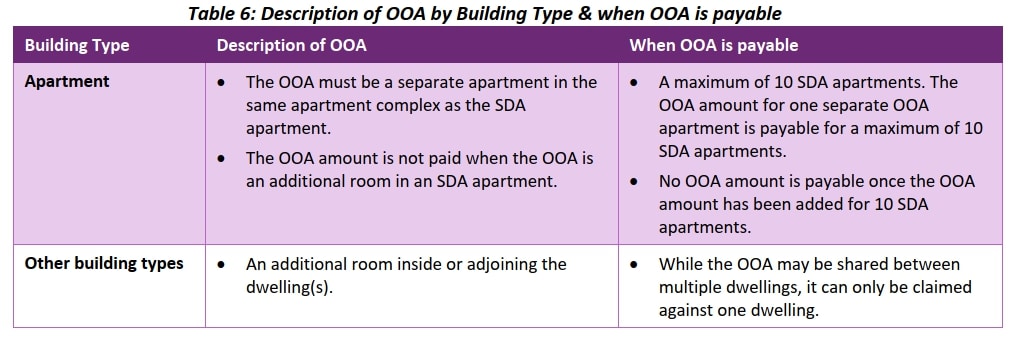
The form of OOA varies between Building Type and the amount of the OOA assistance payment made in relation to this room, as a consequence, may depend on whether access to the OOA is shared between multiple dwellings.
Table 6 describes the OOA and when OOA is payable.
Additional Clarifications for OOA
Further, frequently asked questions relating to Onsite Overnight Assistance (OOA) is addressed below:
Question: To claim OOA funding for apartments can an OOA room be provided instead of a full apartment?
Answer: No. Where OOA funding is claimed for an apartment, the OOA needs to be a full apartment which would generally consist of a bedroom, living room, kitchen and bathroom. A studio-style apartment can used for OOA.
Question: I have a 3 Bedroom SDA apartment with only 2 Participants. Can I use the third bedroom for OOA?
Answer: This scenario is not permitted for OOA payment in apartments under The NDIS Pricing Arrangements for Specialist Disability Accommodation (previously the Price Guide for Specialist Disability Accommodation).
Question: I have 15 SDA Apartments that require OOA. Can I claim OOA payment for all 15 SDA apartments if I provide one OOA apartment?
Answer: OOA is paid per maximum of 10 SDA units. Therefore, if 15 SDA units are to receive the OOA funding, 2 OOA units will be required. If only one OOA is provided, then OOA would be payable to 10 SDA units only. No payment would be available for the additional 5.
Question: Can an OOA room be designed as an office without a bed provided?
Answer: There are no set requirements for the provision of a bed in an OOA room, though it is important to remember that the OOA room will be used by the SIL provider to be on-site (24 hours). Therefore, even though not mandated, it is recommended that space for a bed in the OOA room is provided.
Clarification Item 2:
Clause 4 Entrance, doorways, and door hardware: Clause 4.2.1, 4.2.2, 4.2.3 The term ‘all areas normally used by the participant’ means all areas in the participant’s home. Clause 4.1.3 requires door circulation spaces to all areas excluding storage and exclusive staff use areas.
For example, it is reasonable in FA and HPS design categories to have an onsite overnight assistance room without the specified door circulation spaces, however, the clear door opening requirements still apply so that access is not restricted to an area of a participant’s own home. This also applies to an ensuite, or bathroom used exclusively by the support staffwhere located within the participant’s home.
No design requirements apply where OOA is a separate apartment in a residential apartment building.
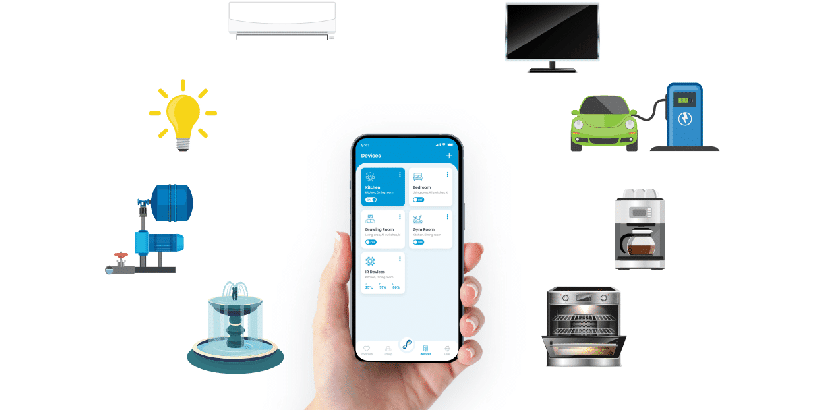
Assisted living and Smart Home Automationtechnology is enabling people with disabilities to live fuller and more rewarding independent lives. New home automation technology maximises the ability of those with disabilities to live independently by enabling control of their home through smart devices and voice control.
The technology is seamless in its simplicity of use and is designed for use by people with disabilities in mind. There are endless scenarios where smart home technology can help everyday living…
Building Specialist Disability Accommodation that is Assistive technology ready with home automation allows users to live with a level of independence that is consistent with their individual abilities.
Security: With a single command from an iPhone, tablet or similar smart device, or simply by a simple voice command such as “goodbye” doors will automatically close and then lock. Lights, appliances and devices can also be programmed to automatically switch off on departure. When leaving, the home’s security can also be automatically activated.
Arrival / Welcome: On arrival home, again via a command from a smart device or by simple voice command, the occupant is welcomed as doors are unlocked and automatically opened, lights and air conditioning are turned on and curtains can automatically be opened or closed.
Intercom (coming soon): Home automation provides the simple convenience of being able to respond to visitors at the front door call via a remote smartphone or device which can be kept on the person or within reach no matter where they are in the house. This enables the occupant to remotely view and know who the visitor is, and provides the ability to remotely open the door unassisted.
Emergencies (coming soon): In the event of an emergency or crisis, assisted living provides real peace of mind. Simply by pressing a pendant, a message can be sent to nominated support staff or family members who can then talk directly back into the home via a ceiling speaker and microphone, in addition, remote video access can be enabled to authorised carers.
Comfort: The homes temperature, comfort settings and lighting ambience can be completely controlled via a smart device. Blinds can be set to open and close by responding to exterior daylight light levels, heaters and lights can be programmed to turn on or off at predetermined times to maintain optimal comfort within the home.
Access and Safety are part of the Equal Access Group and is an approved NDIS provider who has been involved in consulting, designing and delivering cost-effective independent living solutions tailored to an individual’s requirements. Each person’s needs are different and it’s critical the technology provided relates to their everyday needs. Well designed and properly implemented assisted living technology helps achieve greater independence and improves the quality of life. Assistive technology products can be easily installed into new homes or retrofitted to existing homes.
Assisted technology products Access and Safety offer include:
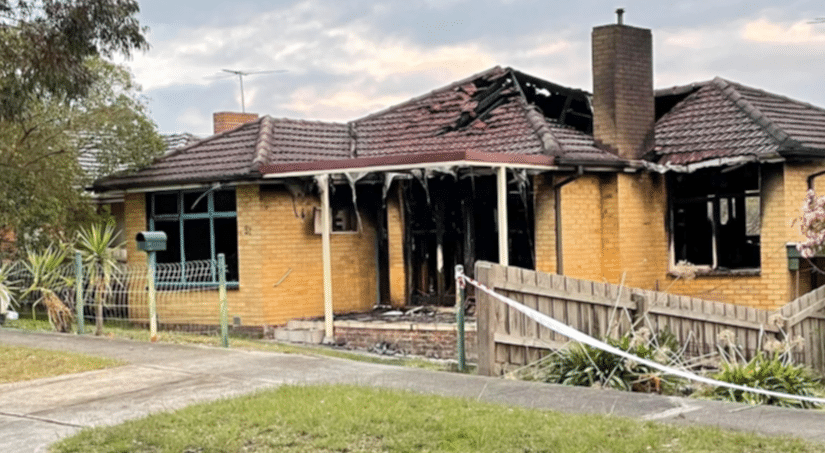
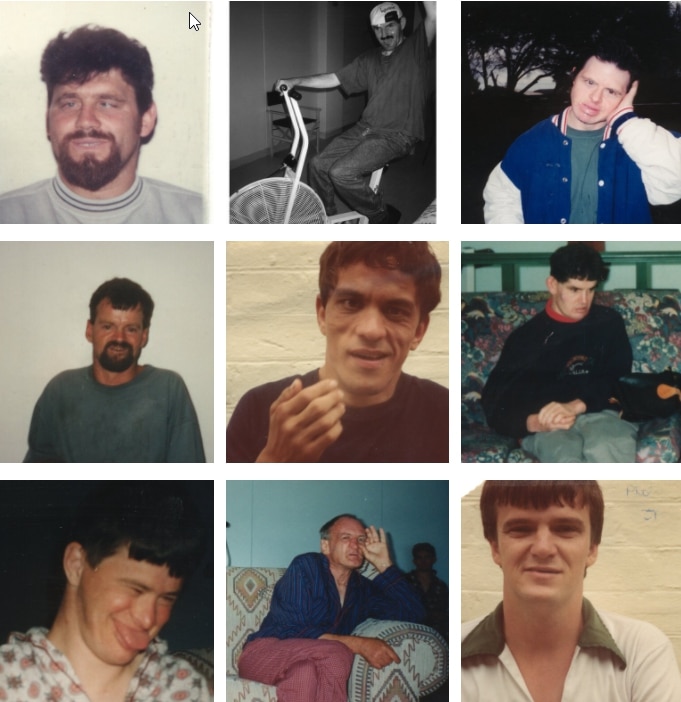
In April 1996 nine men were killed in a fire that swiftly and violently engulfed their unit at Kew Cottages, a residential institution for people with intellectual disability. But are the SDAs we are currently building any different?
When I first arrived on the scene, I heard a whole lot of screaming … they appeared to come from the area that we were trying to attack, it was beyond the area that we could access … I was unable to get beyond the door at the end of the small corridor and it appeared this was the main area of the fire and the area where the screams came from.
The Coroner concluded that all the men died from carbon monoxide poisoning and burns. An MFB report determined that the men died within six minutes and 30 seconds from the fire’s ignition. As the fire alarm was not raised until seven minutes 45 seconds later we can assume that the cries Michael heard were not from those who died.
The Fire in Detail
The deaths of Ronald, Adrian, Thomas, Bruce, Stanley, Alan, Shayne, Peter and Joseph are forever remembered in a memorial within the old grounds of Kew Cottages.
On the evening of 8 April 1996, a fire occurred in Flat E, Unit 31 of Building 37 at Kew Residential Services
Tragically, the fire took the lives of nine intellectually impaired residents who required a high level of person to person support.
The investigation found the one constant is that such residents should be protected from the devastating effects of fire by the government and that that protection should have been in place to prevent the tragic events before they occurred.
The chapter, ‘Walking Ghosts’, from the book Bye-bye Charlie: Stories from the Vanishing World of Kew Cottages, written by Corinne Manning, UNSW Press 2008. Click here to read the full chapter.
When you realise how quickly it happens and what a violent event it is, it makes people realise how these things could have happened
It’s not something that took three quarters of an hour or an hour, where people would have had plenty of warning, it was all over in a few minutes
For ten years (since 1986), the State of Victoria had been given warning after warning by consultants, experts, personnel and different government instrumentalities as to the inadequacy of the fire safety system at Kew Residential Services.
Kew Cottages did not have sprinklers installed, the same as the majority of SDA or Specialist Disability Accommodation being built today.
What is worse SDAs are being built over multiple levels (up to 3 stories) without sprinklers. How can this be permitted? Have we not learnt from the tragedy of Kew Cottages the failure to provide sprinklers costs lives?
SDA funding is only provided for participants who meet the eligibility criteria. Participants who meet the eligibility criteria will have an extreme functional impairment and/or very high support needs.
Incorrect Assumption
Whilst Fully Accessible & High Physical Support cater for people that use wheelchairs and will generally require assistance to evacuate.
Participants within the Improved Liveability and Robust categories whilst not using wheelchairs will in most cases still require assistance to evacuate due to cognitive, intellectual, neurological and learning disabilities or they will move slowly due to physical disability such as using crutches or walking frame.
It is not satisfactory for certifiers, fire engineers to accept that people in Improved Liveability and Robust can self evacuate.
Why should all four categories of SDA be built as Class 3(7) Residential Care Building
A Class 3 — the building is a residential building providing long-term or transient accommodation for a number of unrelated persons, including the following:
A boarding house, guest house, hostel, lodging house or backpacker accommodation.
A residential part of a hotel or motel.
A residential part of a school.
Accommodation for the aged, children, or people with disability.
A residential part of a health-care building which accommodates members of staff.
A residential part of a detention centre.
A residential care building.
To answer this question we must refer back to the Pricing Arrangements for Specialist Disability Accommodation to understand who SDA is provided for.
SDA funding is only provided for participants who meet the eligibility criteria. Participants who meet the eligibility criteria will have an extreme functional impairment and/or very high support needs.
It is not just required for people that use wheelchairs that cannot self evacuate in fully accessible and high physical support categories. This is because of the range of disabilities all participants may have:
Participants will not be able to independently evacuate downstairs or may take a lot longer to evacuate due to their disability or because they use a walking frame, crutches or other mobility aid.
Intellectual – autism, down syndrome, etc: Maybe able to
Psychiatric – schizophrenia, depression, etc.
Neurological – epilepsy, acquired brain injury, Parkinson’s disease, MS
Participants may not react to smoke and fire alarms either delaying their evacuation or not knowing they need to evacuate.
Sensory – hearing, vision, touch
Participants may not react to smoke and fire alarms due to deafness or participants with low vision cannot find their way out of a building due to low lighting levels.
NOTE: Remember, some participants will have multiple disabilities.
Provision of Sprinklers.
Table E1.5 Requirements for sprinklers
Occupancy
Where sprinklers are required
Class 2 or 3 building (excluding a building used as a residential care building) and any other class of building (excluding a building used as a residential care building) containing a Class 2 or 3 part.
Throughout the whole building, including any part of another class, if any part of the building has a rise in storeys of 4 or more and an effective height of not more than 25 m.
.
Class 3 building used as a residential care building
Throughout the building and in any fire compartment containing a Class 3 part used for residential care.
As a BCA Class 3(7) Residential Care Building is the only classification that mandates sprinklers to all parts of the buildings no matter the size up as Class 2 and remaining Class 3 buildings do not require sprinklers until the building has a rise in storeys of 4 or more and an effective height of more than 25m.
This is the only way safe specialist disability accommodation can be provided.
But Australian Design Standards are Safe and World Leading, aren’t they?
What Does a Fire Rating Cover?
If a building has a 60-minute or 90-minute fire rating, what does that actually mean?
Either you have 60 or 90 minutes to get out safely or
You have minutes to get out before the building becomes smoke-filled, however, the building will remain structurally adequate for 60 or 90 minutes
Sadly it is the latter, again compromising the life safety of people with disability.
Who is Responsible to Evacuate Participants?
What Role Should Onsite Overnight Assistance Provide (OOA) During Evacuation?
The primary role of an OOA is the delivery of care
Getting in or out of bed
Personal Care
Turning and repositioning
Medication and pain relief
Hydration and nourishment
Temperature regulation
Reassurance and Emotional support
Supervision and safety
In my opinion, the OOA should not be responsible for emergency evacuation.
OOA’s have the same right to get out of a building in an emergency as any other occupant.
If there are multiple occupants in an SDA why should an OOA chose who to evacuate and in what order? This is further exacerbated based on the ratio of one OOA managing 10 SDA apartments.
OOAs do not have emergency evacuation training.
Who other than Emergency Services should evacuate SDA Participants?
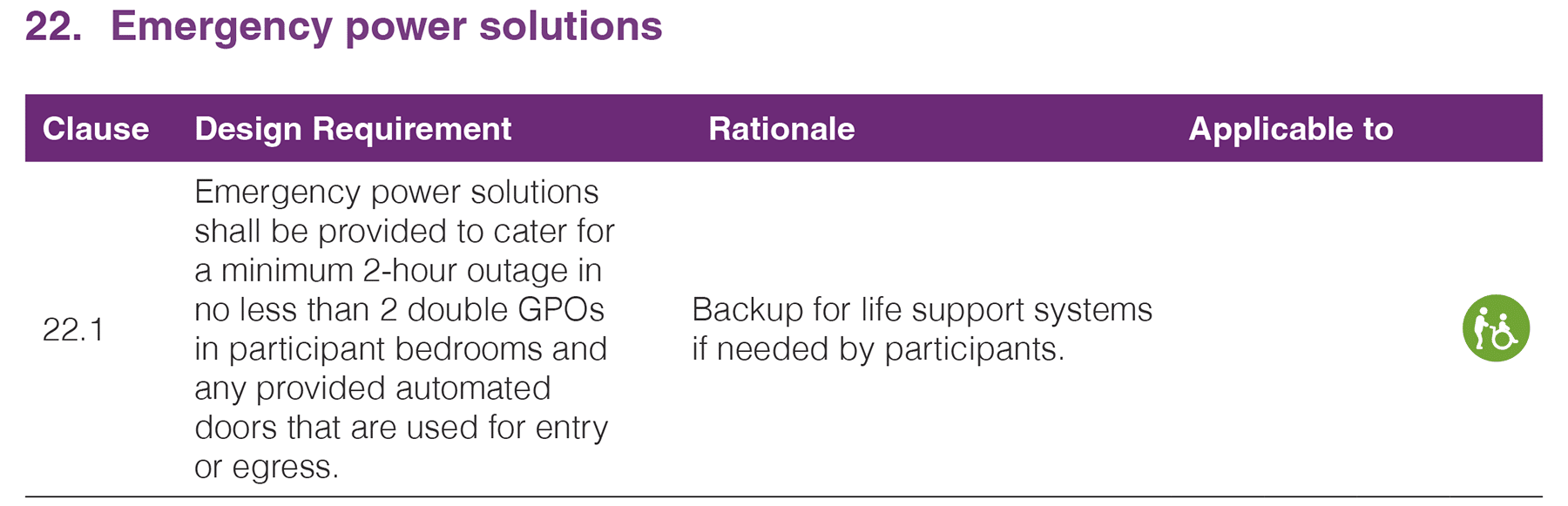
The SDA standard below requires a 2-hour emergency backup in the event of a power outage for 2x GPO points (general purpose outlets) in a participant room for a range of equipment. The most suitable emergency backup device to accommodate the requirements is a UPS system.
Types of Redundant Power Supply Systems
There are essentially three types of redundant power systems available for SDA Dwellings:
Uninterruptible Power Supply (UPS) battery system
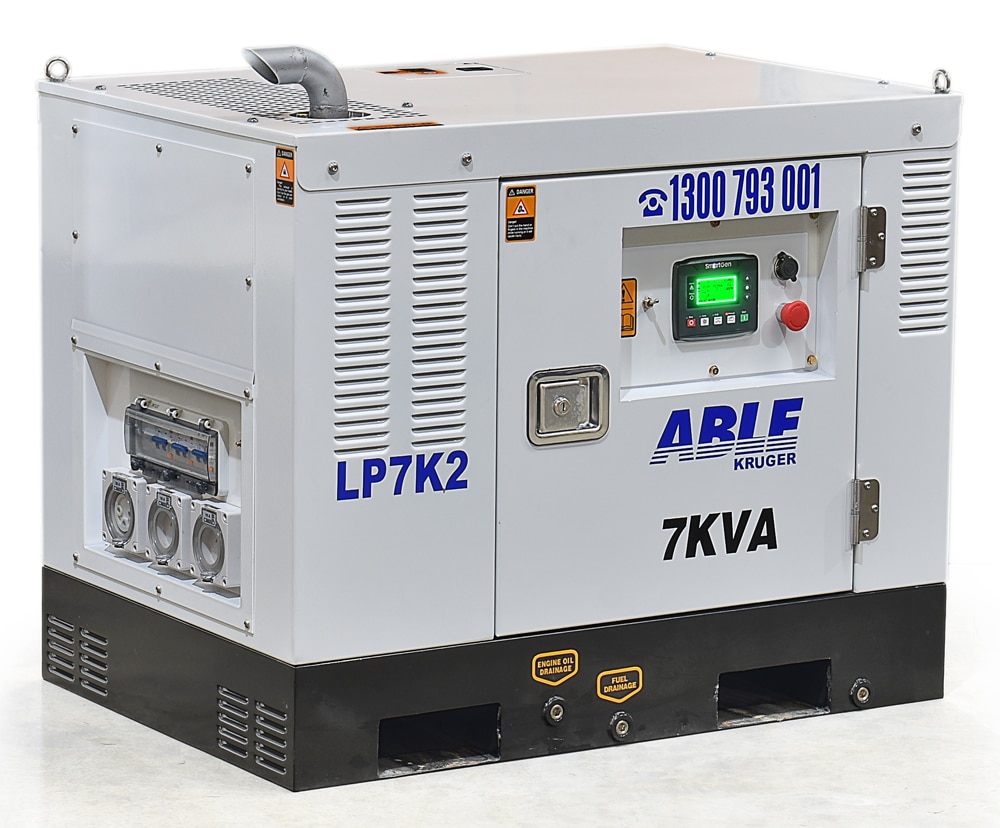
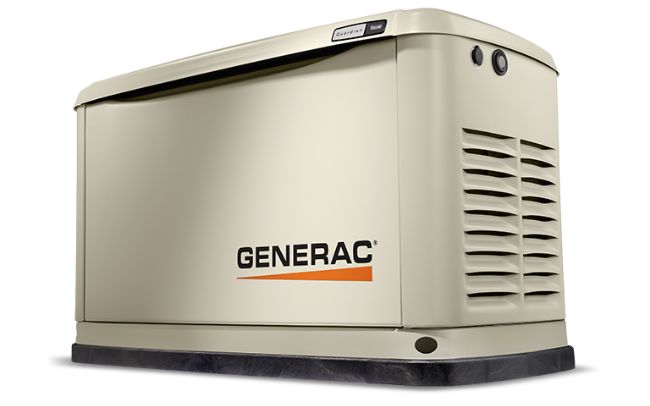
Diesel generators that auto-start on power failure.
Gas generators that auto-start on power failure.
Types of equipment that may require redundant power
Ventilator
Ceiling hoist
Emergency notification alarm
Electric bed controls
Alternating air mattress
CPAP device
Door controllers
Suctioning equipment
Small fridge for medication
Communication decices
Air-conditioning is typically not factored into the design load; however, the two-hour capacity provides a participant who is reliant on heating and cooling enough time for support services to organise transportation to a hospital or alternative accommodation.
Meeting the SDA Design Standards Requirements
The NDIS SDA Design Standards nominate a performance requirement for redundant power supplies within Specialist Disability Accommodation but do not specify the type that must be provided.
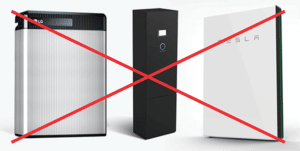
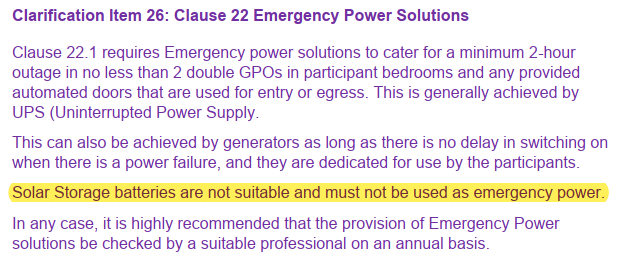
Can Residential Solar Storage Batteries be Used for Medical Devices?
The simple answer to this is no, especially if the batteries are also used for general house power. Whilst not stipulated in the SDA Design Standard, a UPS for SDA should be medical grade because its role is to maintain life safety equipment.
A shared house battery that is solar charged and also provides general power for the house in a lot of cases cannot be controlled to maintain the required two hours of storage ( 1.5kW) for participants. Even if this is possible it will still not be a medical-grade system.
If the battery is for the sole use of a redundant power supply then there is no need for solar to be provided as once the batteries are charged they will not be drained unless there is a power failure.
This is confirmed in the Accredited SDA Assessor – Update 4 – December 2021 as follows.
What is a Diesel Generator for Specialist Disability Accommodation
Diesel generators for Specialist Disability Accommodation (SDA) are essential backup power sources that ensure continuous electricity supply for critical systems and equipment, such as medical devices, lighting, heating, and cooling systems. These generators are known for their reliability, providing a dependable power source to keep essential services operational during power outages. They come in various capacities to meet the specific power needs of the accommodation and are designed to operate quietly, minimizing disturbance to residents.
Additionally, diesel generators are equipped with safety features like automatic shutdown in case of low fuel or oil pressure and high engine temperature, ensuring safe and reliable operation. These features make diesel generators crucial for maintaining a safe and comfortable living environment for individuals with disability, ensuring their needs are met without interruption.
What is a Natural Gas Generator for Specialist Disability Accommodation
Natural Gas generators for Specialist Disability Accommodation (SDA) are vital backup power sources that ensure continuous electricity supply for critical systems and equipment, such as medical devices, lighting, heating, and cooling systems. These generators are known for their fuel efficiency, providing reliable power for extended periods. They also produce fewer emissions compared to diesel generators, making them a more environmentally friendly option. They can run off town supply or bottled gas.
Additionally, gas generators operate quietly, reducing noise disturbance for residents. They come equipped with safety features like automatic shutdown in case of low gas levels or oil pressure and high engine temperature, ensuring safe and reliable operation. These features make gas generators essential for maintaining a safe and comfortable living environment for people with disability.
What is a Uninterruptible Power Supply (UPS) for Specialist Disability Accommodation
A UPS System or Uninterruptible Power Supply is a battery backup system that provides surge protection, power filtering and instantaneous power to the connected equipment without interruption in the event of a power outage.
How to Pick the right UPS
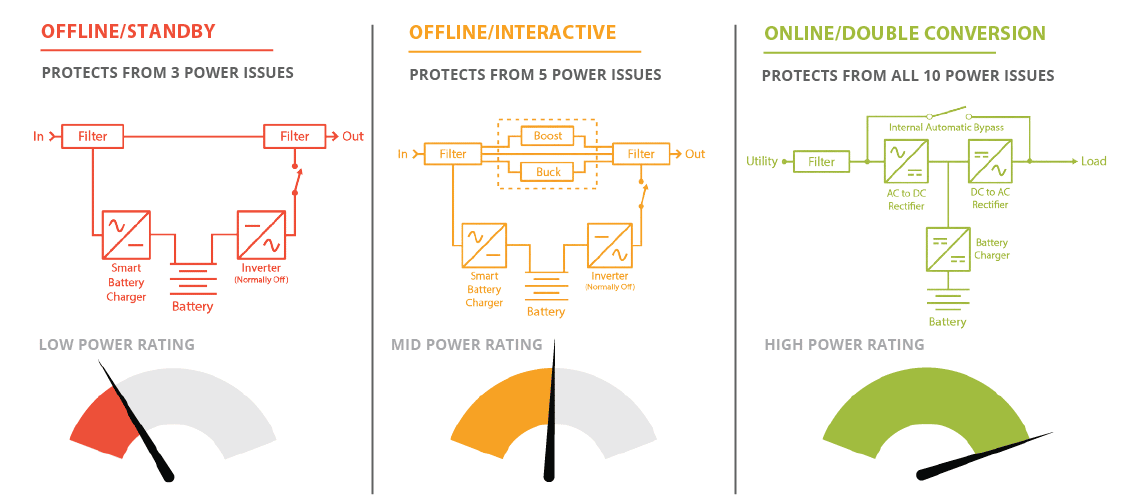
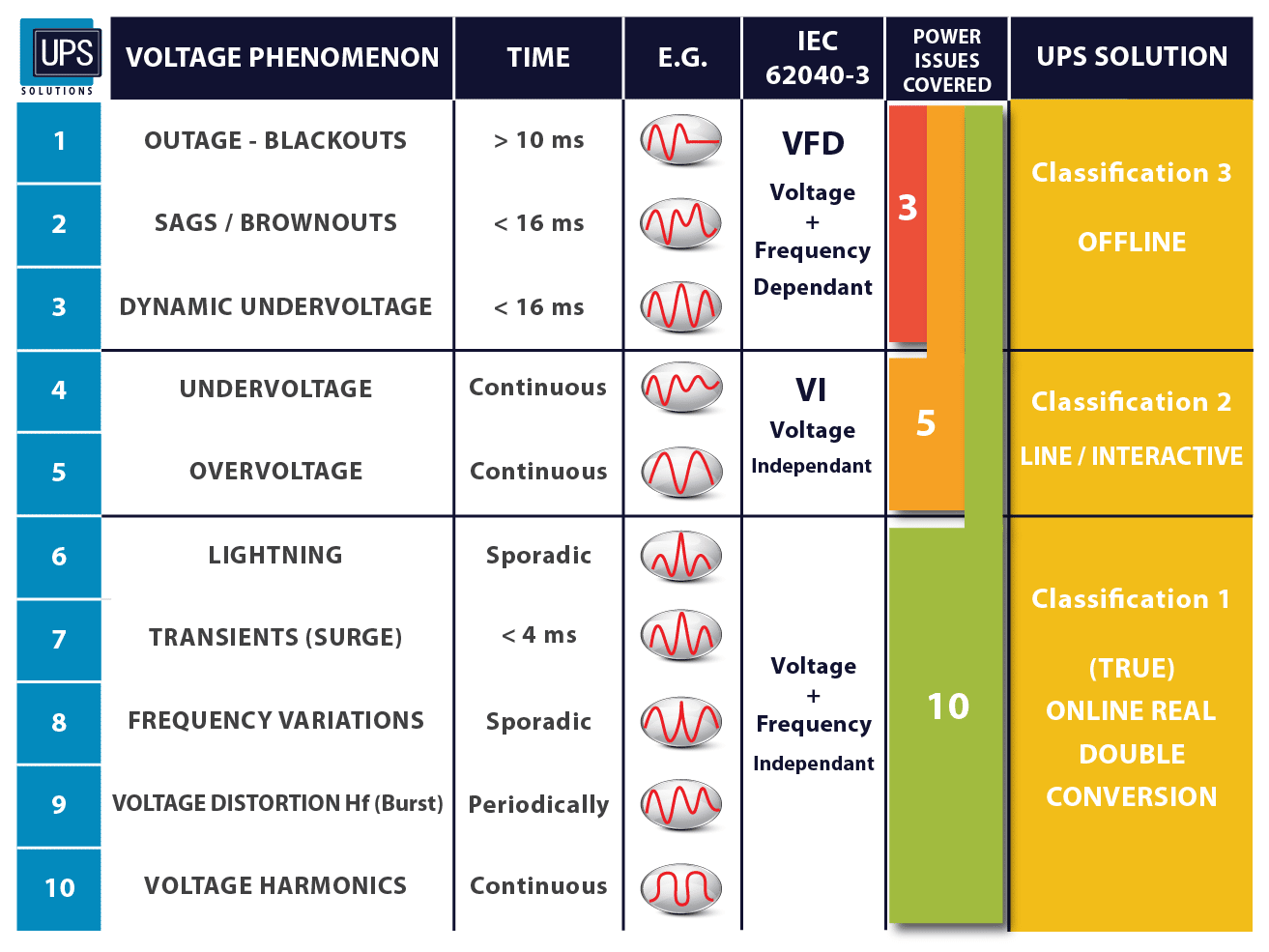
The first step is to pick the topology type, there are:
Offline/Standby
Offline/Line Interactive
Online/Double Conversion
IT IS HIGHLY RECOMMENDED TO CHOOSE AN ONLINE DOUBLE CONVERSION UPS SYSTEM TO PROTECT AGAINST ALL MAIN POWER ISSUES.
Picking the right size of the UPS system?
There are two considerations, first is the UPS rating which goes by KVA/KW and is the total power load the UPS can handle from connected devices at any given time. Then we have the UPS runtime, which is the battery amount and type required to provide 2-hour backup time for the UPS load in a power outage.
Placement of the UPS system?
We strongly recommend against installing the UPS systems within participant bedrooms due to the noise from the fans and the off-gassing of the batteries when they charge. We believe it is better to install them into the common cupboard within the dwelling.
What kW (kilowatt) load should be allowed for?
As a rule of thumb, allow for the load of 1.5kW per participant which is based on experience. However, the actual load per participant requires must be confirmed once they move in and all equipment can be tested.
Because determining that required load is not an exact science prior to a participant moving in, it is recommended the UPS system that is installed can be easily upgraded to a higher capacity if needed by adding extra batteries. Additionally, the cupboard that the UPS is being installed into should have the capacity to include space for the additional batteries and allow for the additional ventilation that will be required. This will need to be confirmed by the UPS provider.
UPS Rating Considerations:
The total equipment load
How many automatic doors will be be on UPS?
Load in-rush currents
Potential misuse (people plugging items such as vacuums, hairdryers etc. that may trip the UPS circuit)
UPS Runtime Considerations:
Back-up time required (2-hours for SDA standard)
Load on the UPS, if known. The more power, the more batteries required.
Scope runtime based on batteries at the end of life (not start of life)
Type of power required by equipment, constant or variable load
UPS Input & Output Feeds
Input Feed
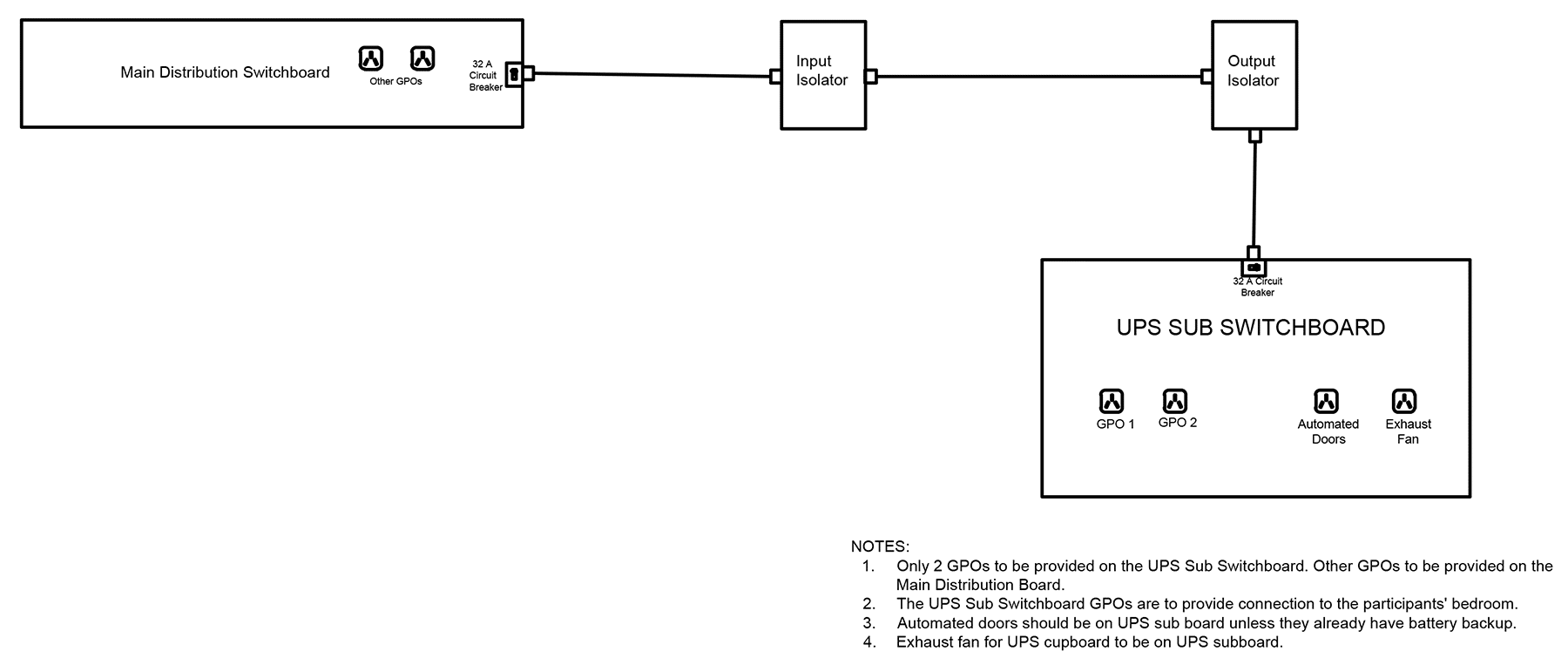
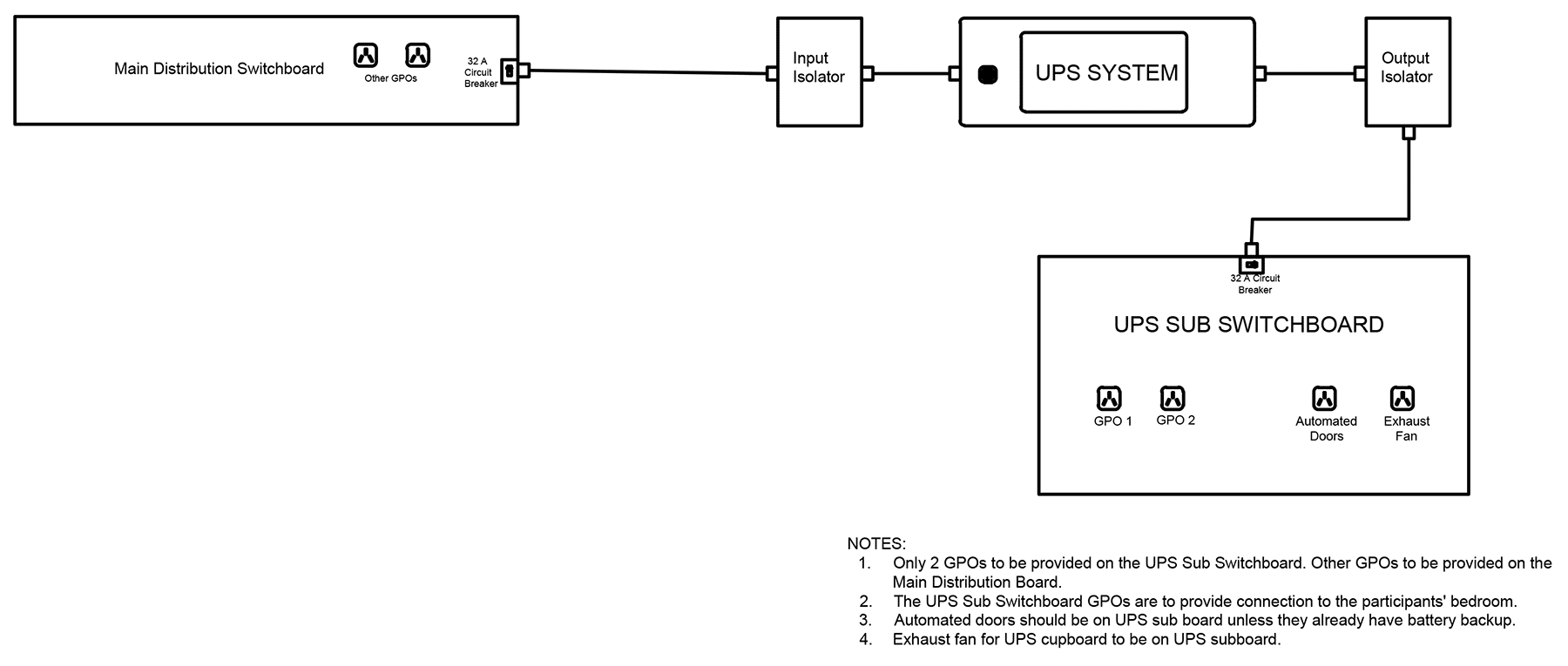
The UPS system needs to be on its own isolated input power supply that is separated from common feeds to avoid interference on the UPS power circuit. This circuit should be clearly marked as the UPS input breaker and easily identifiable. For breaker and cable ratings please refer to the UPS manufacturer’s installation guidelines.
Output Feed
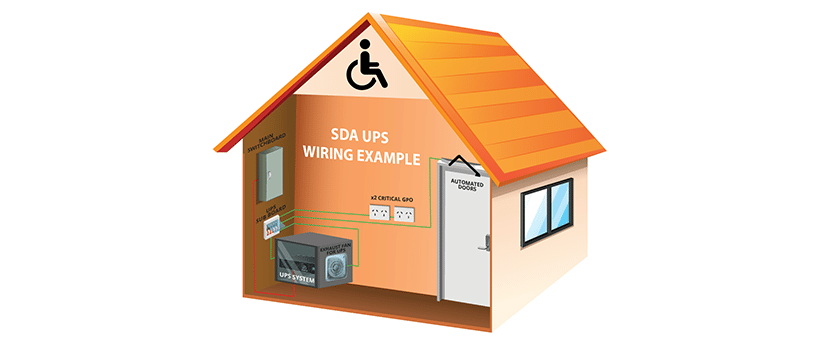
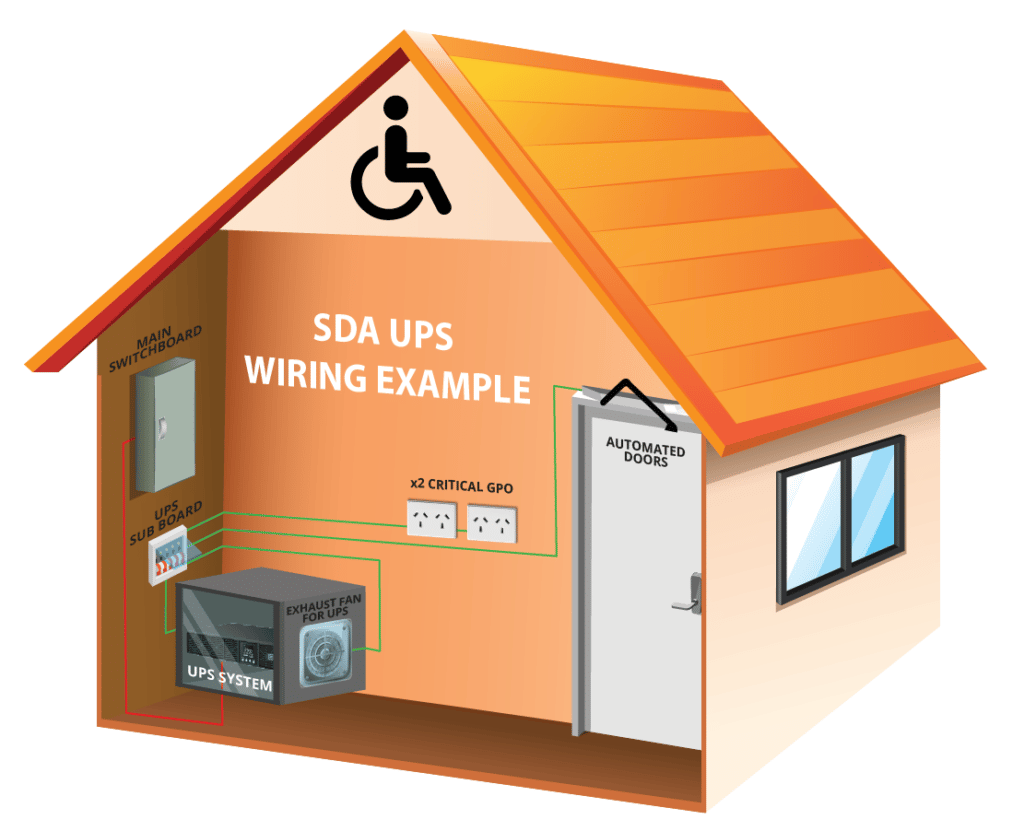
The most common way to provide UPS power to equipment is to have a small UPS sub board fed from the output of the UPS. On this sub board, strictly have only the 2x GPO feeds from the participants bedroom, automated doors, and external UPS exhaust fan.
The output circuits & GPO’s being fed from the UPS should be clearly marked and easily identifiable. We would also recommend to put signage on or near to the GPO’s stating something to the likes of “UPS Power: Critical Devices Only”.
Bypass Feed
It is recommended that you install a bypass panel for the UPS that will bypass the UPS feed to mains power in the event of UPS maintenance or failure, this should be requested from the UPS supplier along with the UPS purchase, some UPS systems like the one recommended at the end of this article come with a bypass switch built in.
Installing and Commissioning the UPS system
It is highly recommended to use experienced UPS installation professionals to avoid any damage and warranty issues to hardware and in order to test proper operation of the system.
It is common for the electrician to provide the electrical circuits, input and output as needed, ready for the UPS installer to terminate into the UPS system and commission the device.
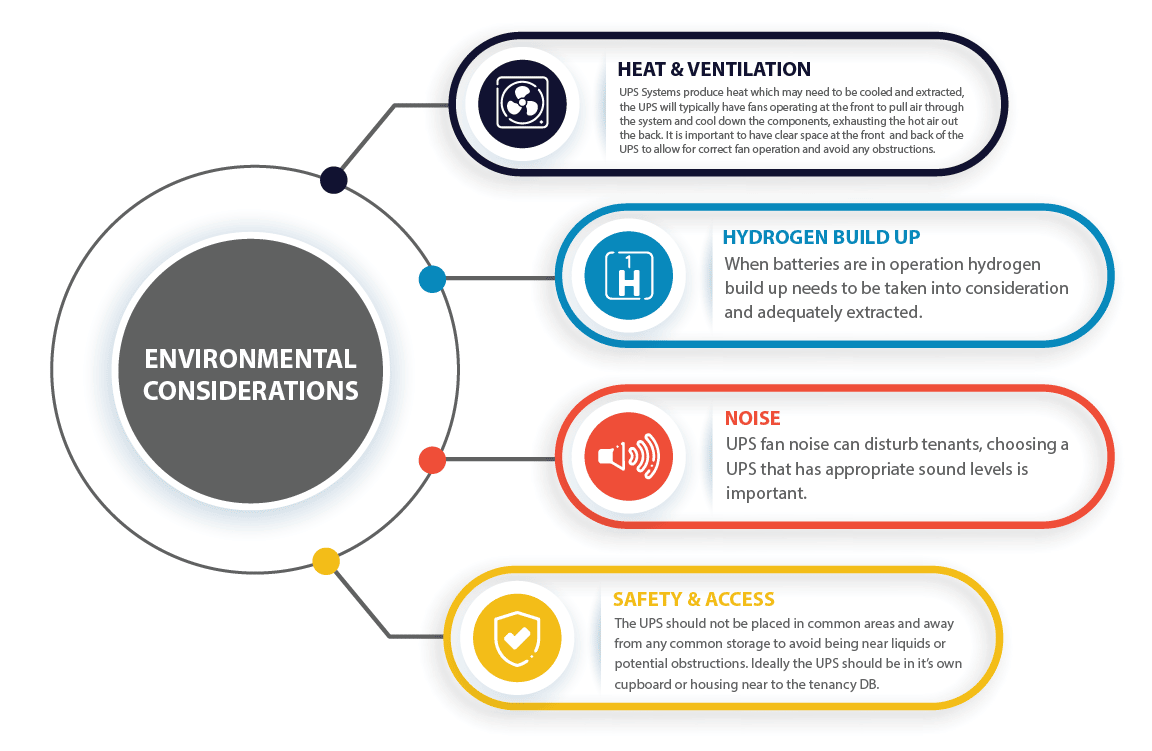
The team scoping and designing the UPS need to take into consideration environmental factors such as the following:
General Servicing
It is recommended to service the UPS every 6-12 months if the UPS environment is optimal, and more frequently if there is heavy dust and debris clogging up UPS fans or heavy usage from local power problems. Servicing should be performed by a specialist familiar with the system who has the skills to perform the various UPS tests and services required.
Battery Replacements
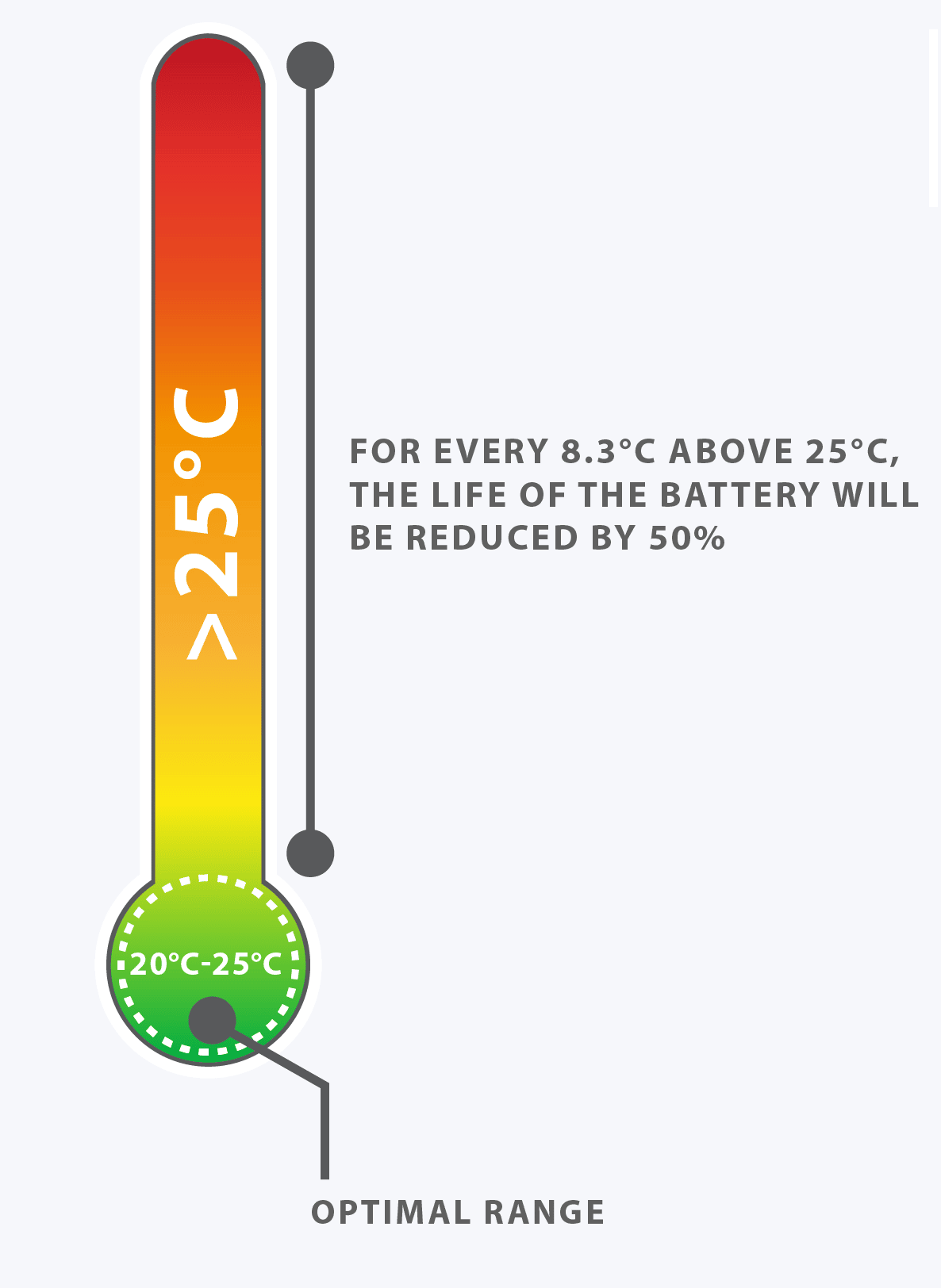
Batteries are one of the main components of a UPS and are also the main reason for UPS damage and failure. When a battery has exceeded its life expectancy it can reduce runtime and even drop the load, expand, leak and potentially be a fire hazard. The optimal room temperature to get the most out of your battery is 25 degrees, every 8.3 degrees Celsius higher you potentially lose half the life expectancy.
You will need to understand the design life of batteries in your UPS system, most major brands use (5) year batteries as standard, UPS systems such as the UPS Solutions XRT6 use (10) year batteries standard at no extra cost. (5) year batteries should be replaced between year (3) and (4) to avoid damage and maintain uptime, (10) year batteries will last for the reasonable life cycle of the UPS and should be replaced along with the UPS replacement.
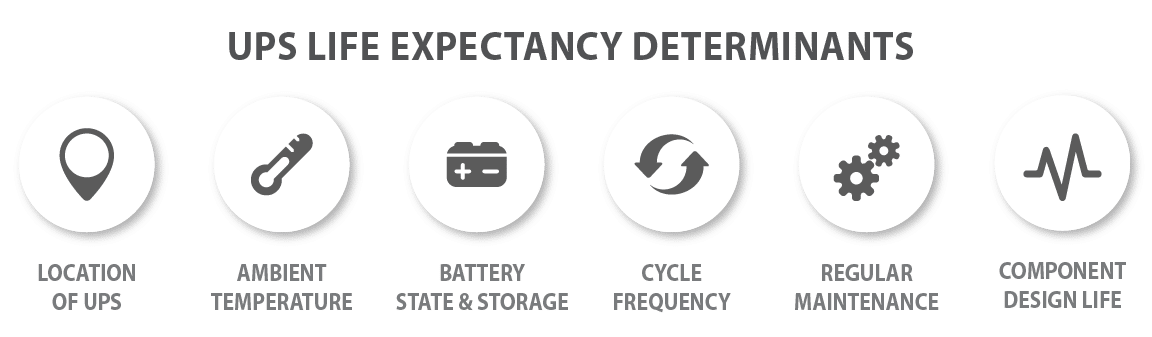
UPS Life Expectancy
The typical component design life of internal UPS components is 10 years, to avoid end of life faults and failures a UPS should be replaced around the 6–7-year mark.
UPS Monitoring
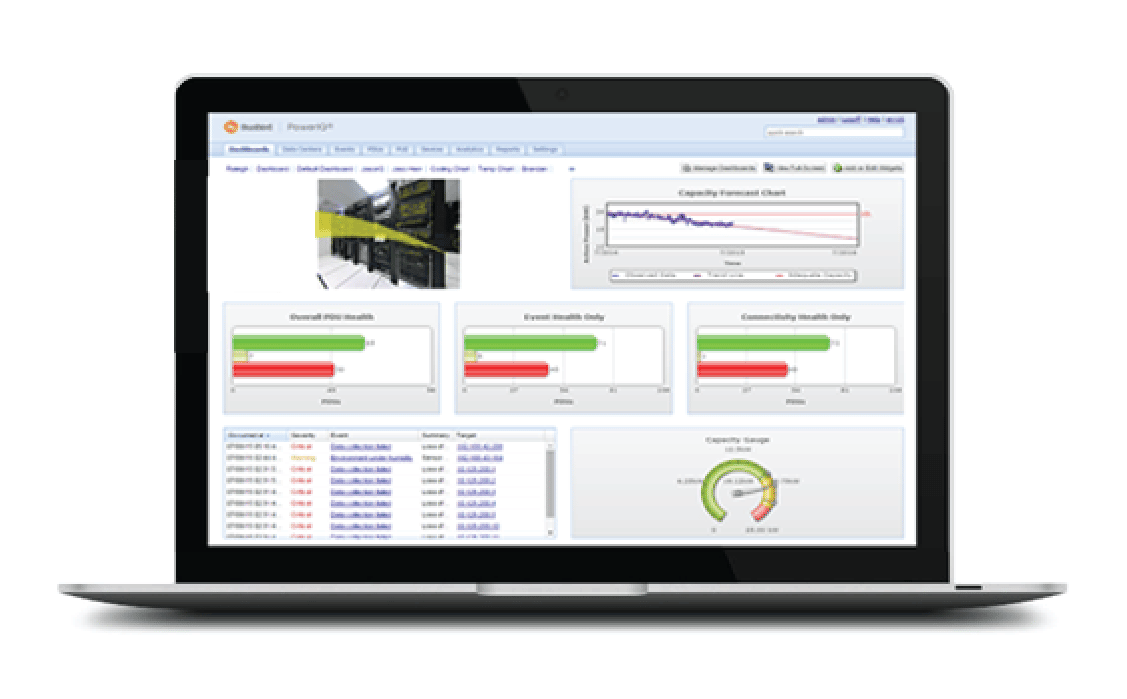
The UPS can be monitored by an appropriate party as long as there is a local network connection and a network card has been installed into the UPS. You will be able to login and see the status of the UPS as well as receive fault and failure alerts to a nominated email account. For SMS alerts, you can set up an email to SMS service.
Recommended UPS systems
From our experience, we have successfully installed multiple UPS Solutions XRT6 UPS systems which can be found on the following link:
This UPS along with additional battery packs covers the SDA requirements and has 10-year design life batteries. The XRT6 UPS range comes in various sizes, but the most common size taking into consideration all of the above recommendations have been the 6KVA UPS with multiple battery packs.
Prewiring for High Physical Support within a Fully Accessible Dwelling
Spatially a High Physical Support (HPS) dwelling is the same as a Fully Accessible (FA) dwelling with wider doors and some additional fit-out requirements. Because of this, we recommend to clients to design them as HPS and fit them out as FA but prewire for future adaption ie for intercom, home automation and for the required 2 Hour Backup as it is a lot easier to provide at construction than to retrofit.
The following wiring diagrams show what is required at the initial pre wiring stage and then at UPS fit off.
UPS Solutions drafted this blog on behalf of SDA Consulting and are a government accredited specialist provider of UPS systems and UPS field services across Australia. They have extensive experience with over 18 years of servicing the Australian market.
To discuss your project and request a quote for a new UPS, they can be contacted on 1300 555 992 or send an email to sales@upss.com.au.
This is one of the most common questions we get asked along with, “I have a block of land this size or an apartment, what can I build on it?”
These are both open-ended questions due to the number of variables involved such as:
How flat is the land?
What category are you going to build?
Robust and Improved Livability land size is similar,
Fully Accessible and High Physical Support are identical,
How many dwellings are proposed?
How many occupants are being considered within each dwelling?
For apartments, how big is the net floor area?
Mark Krause, Senior SDA Consultant and Architect has prepared some guidance for investors, developers, builders and designers for what can be accommodated on a single property including apartments and vacant blocks of land.
PLEASE NOTE
This information is for guidance purposes only and does not take into account any Local Government, State or Federal planning requirements or Building Codes. Confirmation of compliance should be confirmed by a registered building practitioner including an Architect or Draftsperson.
Apartment for FA / HPS (Within Multi-level development)
Single bedroom, (Approx 4.1m x 3.2m); and
One accessible bathroom (Min 2.35m x 2.75m)
Total Floor area required = approx. 75m2 – 80m2
Stand Alone Dwelling for FA / HPS (Single site)
Site 1: 14m x 28m
2 bedrooms HPS – shared accessible bathroom (Bedrooms approx. 4.12m x 3.65m plus robe
Plus 1 bedroom with ensuite (OOA or Carer),
Powder room
Double garage, 6.0m x 5.47m internally)
Front setback 5m – 6.0m, rear setback 3.3m
Side setback min 1.5m to avoid wall wetting sprinklers (Class 3)
Includes separate laundry, 1.54m clear between cupboards. (min 2.45m wide room)
Kitchen meals/dining & Living Area (Approx 47m2)
Outdoor alfresco
Site 2: 12.4m – 13.1m x 24.1m and 12.9m x 27.0m (2 bed unit sites)
2 bedrooms HPS / FA – Individual accessible bathrooms
Each bedroom approx. 4.1m x 3.8m plus robe
Separate laundry, 1.54m clear between cupboards. (min 2.45m wide room)
Powder room (WC vanity only)
Double garage, 5.63m wide x 5.98m internally
Front setback 4.0 – 4.5m, rear setback approx. 4.0m
Side setback one wall on boundary. One min 1.25m off boundary; min 1.5m to avoid wall wetting sprinklers (Class 3)
Kitchen meals/dining & living area (Approx 48.5m2)
Outdoor alfresco 3.3M x 5.0Mm
Site 3: 10.05m x 45.1m (4 bed unit site)
4 bedrooms HPS / FA – Individual accessible bathrooms
Each bedroom approx. 4.7m x 3.8m inc robe
Plus 1 OOA or Carer room (Inc space for bed)
Powder room (with shower)
Plus breakout / second living room (approx 4.2m x 4.1m)
Double garage, 6.0m x 3.6m internally
Separate laundry, 1.54m clear between cupboards. (min 2.45m wide room)
Kitchen meals/dining & living area (Approx 62m2)
Front setback 4.0 – 5.8m, rear setback approx. 5.0m
Dwelling extends side to side boundary
Stand Alone Dwelling for Robust (Single site)
32m x 12.5m
2 Bed plus OOA
Each bed with own living room and ACC bathroom
Single Garage
OR
16.0m x 32m
2 bed plus OOA
Each bed with own living room and ACC bathroom
Double Garage
OR
32 x 12.5m
5 bed plus OOA Inc one acc bathroom
Single Garage
OR
18.0m x 38.14m
5 bed plus OOA Inc one acc bathroom
Plus breakout (basically alfresco with doors)
Double Garage
Stand Alone Dwelling for IL (Single site)
Site 1: 12.7m x 27.0m (2-bed unit sites)
2 bedrooms IL – Individual bathrooms
Each bedroom approx. 3.1m x 3.2m plus robe
Plus 1 OOA or Carer room (inc space for bed)
Separate Laundry, 1.2m clear between cupboards. (min 1.9m wide room)
The NDIA began accepting SDA or Specialist Disability Accommodation stock enrolments designed under the new SDA Design Standard in April last year. Since then, there has been some confusion amongst developers around which requirements currently apply; LHA (Livable Housing Australia) or SDA.
To provide clarification, here are a few key dates to keep in mind:*
BCA Class 1a, 1b, 2 & 3 SDA
Until 1 July 2021, all SDA Design categories’ current minimum requirements are based on the ‘Silver’ or ‘Platinum’ level housing designs set out in the Liveable Housing Design Guidelines (fourth edition) Australia. These minimum requirements are outlined in Table 3 of the NDIS – Price Guide (2020-21) SDA.
Both New and Existing SDA dwellings can be enrolled under the current minimum requirements until 1 July 2021.
Existing and Legacy SDA Enrolments will not be accepted after the 1 July 2021 unless they meet the criteria for a ‘New Build’.
Enrolments of New SDA have been accepted since 30 April 2020 with Certification from an Accredited SDA Assessor.
From 1 July 2021 compliance with the new SDA Design Standards will be mandatory unless the NDIA has granted an exemption. Compliance is demonstrated by submitting certification from an Accredited SDA Assessor attached to each dwelling enrolment application.
BCA Class 2 Developments
As defined within the Building Code of Australia, a Class 2 building is a building containing 2 or more sole-occupancy units each being a separate dwelling. These are more commonly referred to as apartment-style buildings.
From 1 July, 2023 Committed/commenced buildings exemption (New Build SDA developed under previous guidelines) expires.
In summary, any SDA build that will not be completed, assessed and registered by 1 July 2021 will then need to meet the new SDA Design Standard’s minimum requirements unless the NDIA has granted an exemption.
To obtain an extension documentary evidence confirming a commitment to developing the relevant dwelling was entered into before 30 April 2020 must be submitted to the NDIA for their consideration. If an exemption is granted, the dwelling must comply with current requirements (including appropriate LHA level) and be enrolled by 1 December 2022. The exemption date is extended to 1 July 2023 for Class 2 developments.
Accredited third party
Professionals who have completed an accredited SDA Assessor course through a registered training organisation are accredited to assess and provide a report on a new SDA dwelling to determine the type and category of the build for its enrolment as SDA with the NDIS. Operating as a third party, the developers of SDA will engage their services directly.
Enrolment of new build dwellings as SDA
All SDA dwellings must be enrolled with the NDIA. A new SDA dwelling is defined as any building that meets the published criteria and construction was completed after 1 April 2016. Currently, to enrol an SDA dwelling, registered providers must complete the SDA Dwelling Enrolment Form and then submit it to the NDIA.
From April 2020 until July 2021 and subject to SDA Rule changes, enrolment may be either by using the current form or upon receipt of a report from an accredited SDA assessor. From July 2021, the mandated process will be via a report from an accredited assessor only. Class 2 dwellings can be enrolled under the existing process until 1st July 2023 where the NDIA has granted an exemption.
Final as-built certification
Upon the issuance of a certificate of occupancy (or jurisdictional equivalent), the final as-built certification can be assessed by a third-party assessor. This report will then be provided to the NDIS for the purpose of completing the enrolment of a new build SDA.
Keep up with Specialist Disability Accommodation standards using our free e-newsletter. Save yourself the headache of complaints and expensive last-minute upgrades. Sign up here!



 In summary, any SDA build that will not be completed, assessed and registered by 1 July 2021 will then need to meet the new SDA Design Standard’s minimum requirements unless the NDIA has granted an exemption.